















New Study Explores How LIGO-Style Lasers Could Test Quantum Gravity
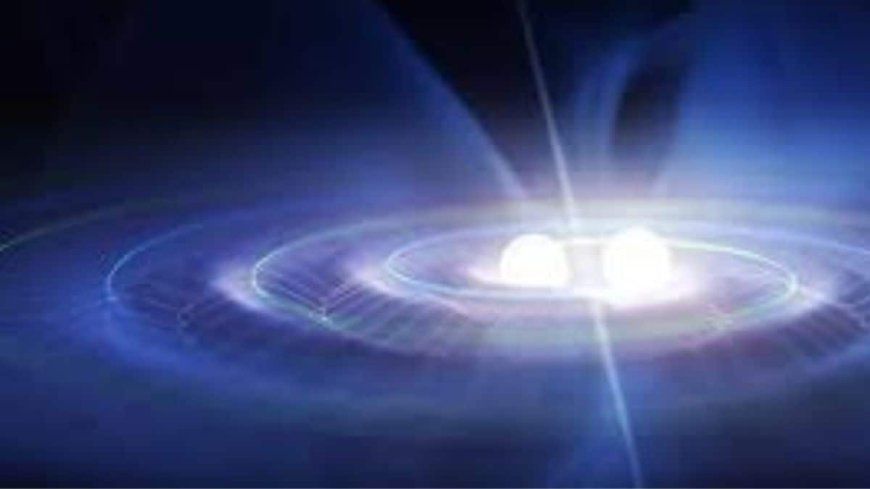
Gravitational waves, first directly detected in 2015, have opened a new way of observing the universe. Now, physicist Ralf Schützhold of HZDR proposes going a step further—actively interacting with these ripples in spacetime using powerful lasers. His theoretical scheme builds on LIGO-style interferometers, where intense laser pulses bounce repeatedly along kilometer-scale arms. As a gravitational wave passes, the light could exchange tiny amounts of energy in the form of gravitons, subtly shifting its frequency. Detecting such changes would provide rare experimental evidence that gravity behaves quantum mechanically. If successful, the idea could help bridge the long-standing gap between general relativity and quantum physics.